 by
by ABBA The Museum
249 to 329 SEK (online)
Flyctory.com Pros
- Very good and detailed overview of the band history and heritage
- Many original items in display
- Interactive and entertaining
Flyctory.com Cons
- Potentially long lines, despite timed tickets
- High price, esp. during peak season
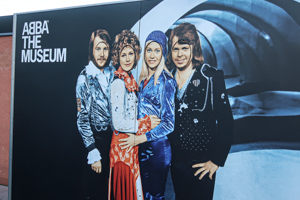
Even though there are so many great music acts from Sweden, one beats them all. Agnetha Fältskog, Anni-Frid Frida Lyngstad, Benny Andersson, and Björn Ulvaeus changed the music industry between 1972 and 1982. In 1974, ABBA won the Eurovision Song Contest. Thus, it is not that surprising that Stockholm honors their domestic music legends with ABBA The Museum. Here is my review.

ABBA The Museum – Location & Admission
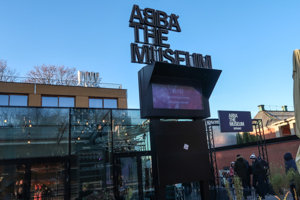
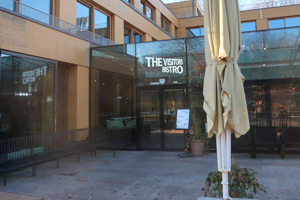
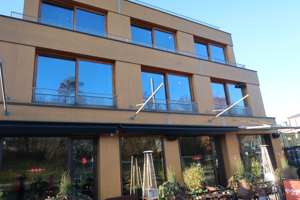
ABBA The Museum is located on the islands Djurgarden in the East of the city center of Stockholm. The island features a lot of key touristic attractions. For example, you are just minutes away from the amusement park Gröna Lund, the amazing Vasa Museum, the open air museum Skansen, the Nordic Museum (Nordiska Museet) and many more spots worth a visit. The easiest way getting there is tram line 7. The stop Gröna Lund is more or less just across the street. Alternatively, you can use bus 67 to the same stop. Both operate from city center. A more fancy and picturesque way getting there are public transport ferries. Ferry 80 as well as Ferry 82 stop at Allmänna gränd. There is a bistro next to the museum.
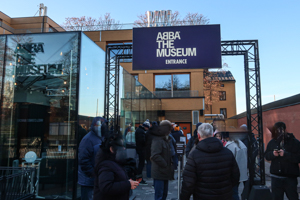
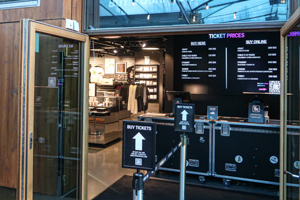
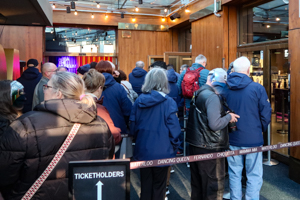
The ABBA Museum is opening daily. During the peak summer months (June to mid-August), you can visit from 9:00 to 20:00. The shortest opening times are from September to April, 10:00 to 18:00. Prices vary by season and range from 249 SEK (roughly 22 EUR) to 329 SEK online. They are fixed to a 30 minute entry time slot. Despite holding a ticket, you should expect lines before you enter the museum. Excluding a potential waiting time, you should expect a visiting time of at least 90 minutes. If you are an ABBA fan, you might easily spend two hours or more.
ABBA The Museum – The Visit
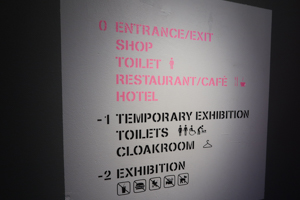
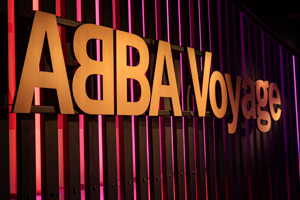
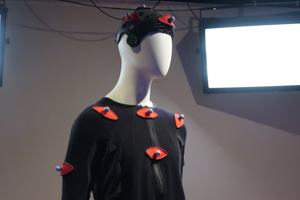
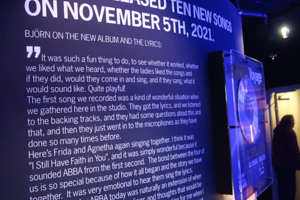
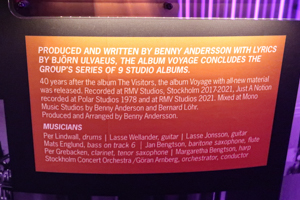
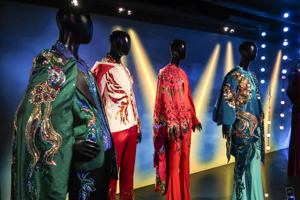
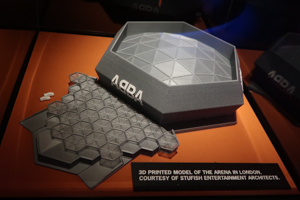
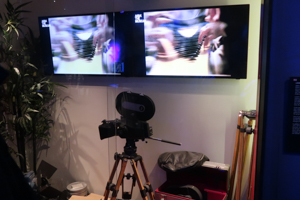
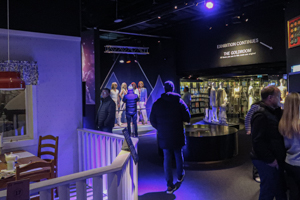
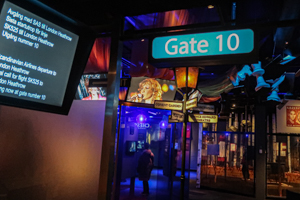
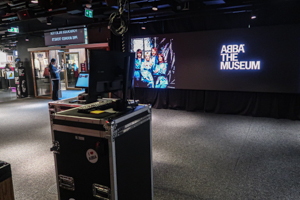
The exhibition of the spreads over two levels underneath the main building. You first enter the smaller first lower floor, which features services (see below) as well as the temporary exhibition. During our visit, this exhibition was about the ABBA Voyage show in London. Despite the space is rather limited, you learned quite a lot about the hologram show. From costumes to how they planned the theater and did the motion capturing, there were various aspects about it. Already in this smaller space, you see that the museum is supported by the band and holds a lot of original items. An audio guide is available, but we felt it is not necessary to enjoy the music museum.
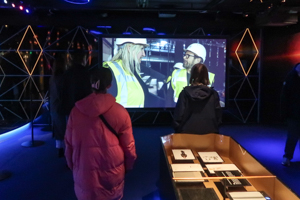
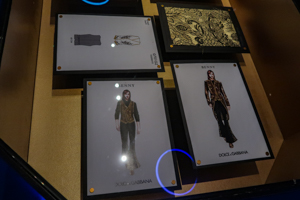
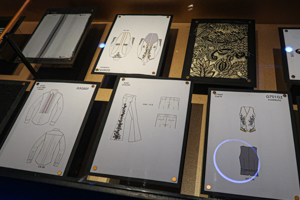
Main Exhibition
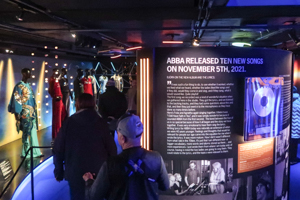
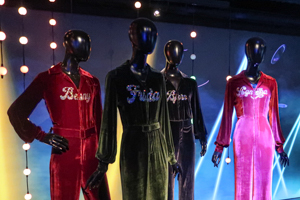
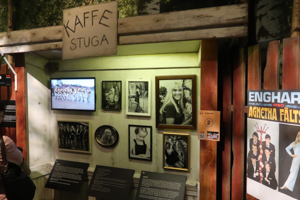
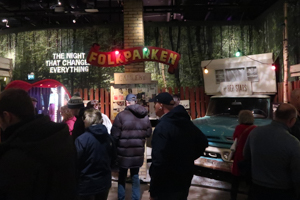
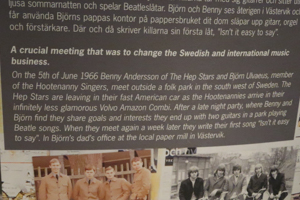
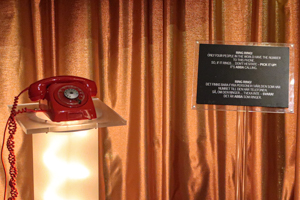
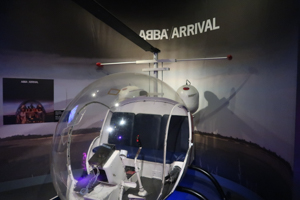
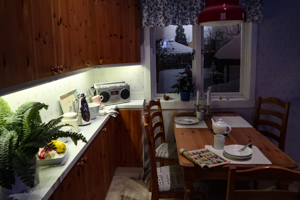
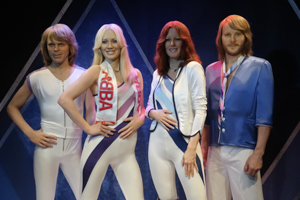
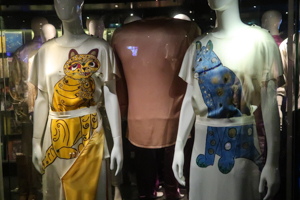
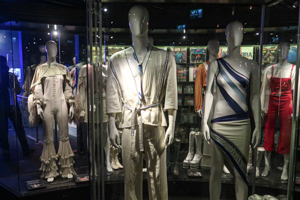
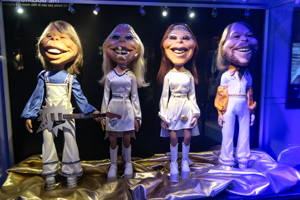
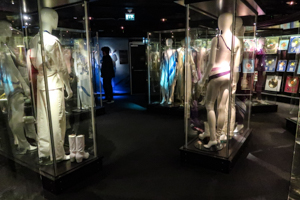
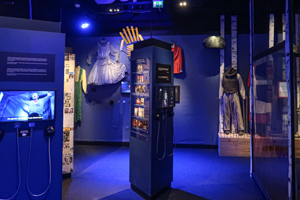
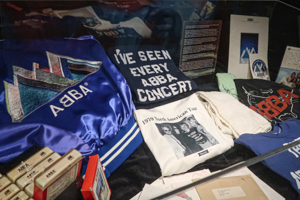
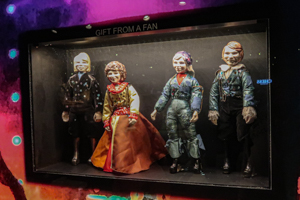
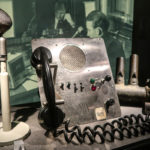
After visiting this first part, you head into the main exhibition of ABBA The Museum. It features the whole history of the band, starting with Björn and Benny’s meeting and their success at the first bands, Hooteanny Singers and Hep Stars. They ran into Frida and Agnetha in the late 1960’s and collaborated in different formations, before they had their first gig as a quartet in 1970. Of course, the museum also has a certain focus on their way to the 1972 Eurovision Song Contest, when Europe fell in love with ABBA performing Waterloo. In this part of the exhibition, you also run into the famous red telephone. Only the four band members have its phone numbers – and from time to time, they really call it and randomly talk to visitors of the museum. You learn about many organizational topics around ABBA as well and see original studio settings, their touring plans or how their stage outfits were made and maintained. Again, there is a vast number of original exhibits, leading to an impressing visit.
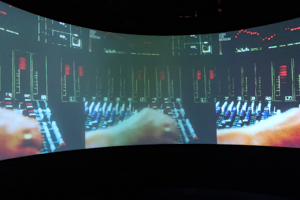
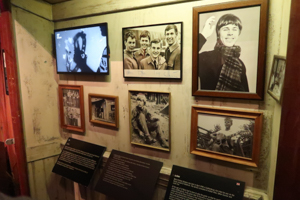
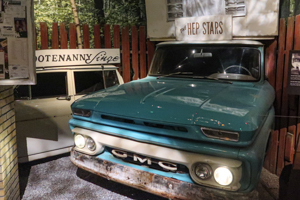
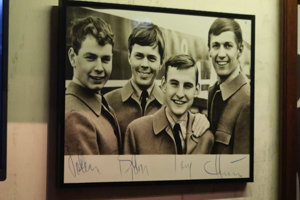
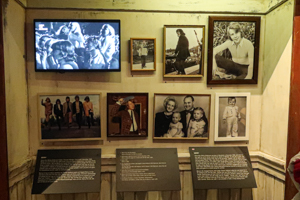
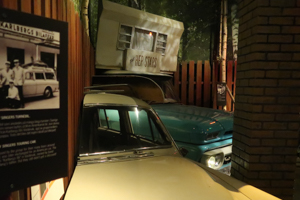
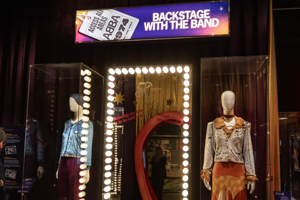
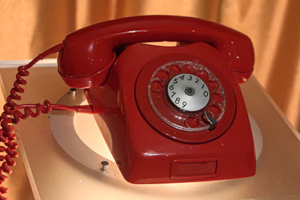
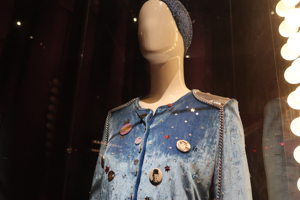
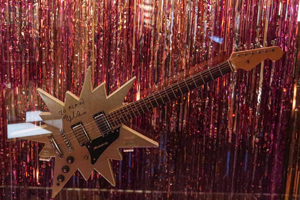
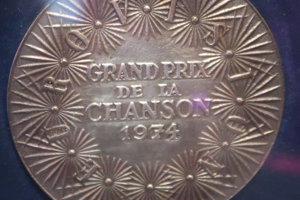
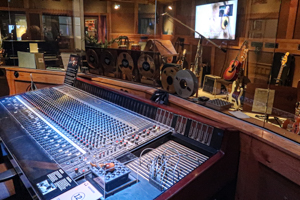
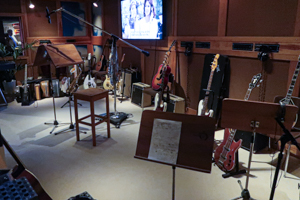
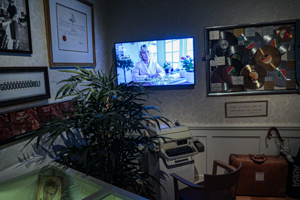
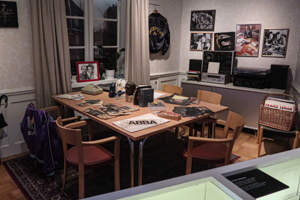
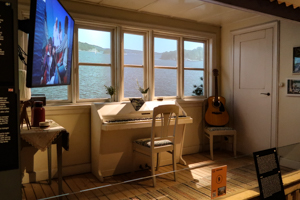
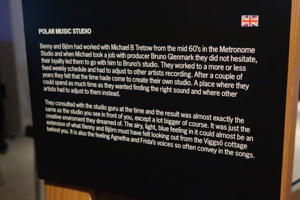
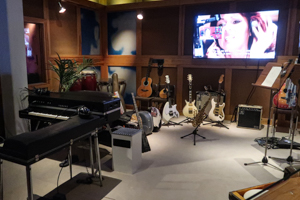
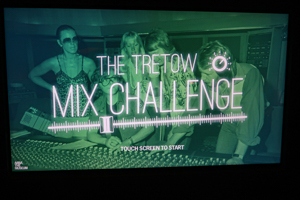
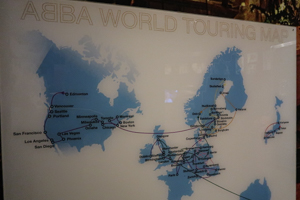
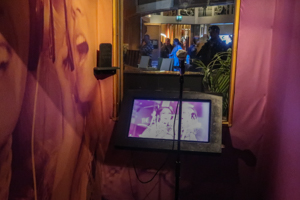
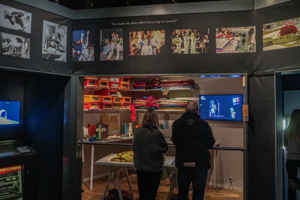
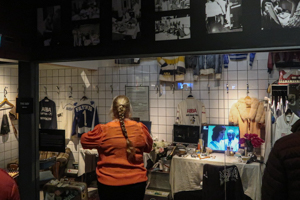
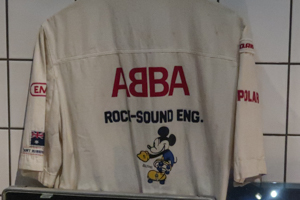
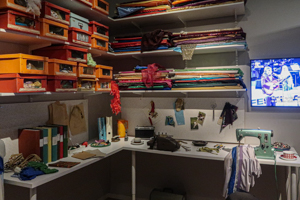
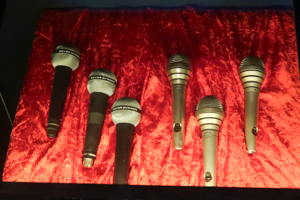
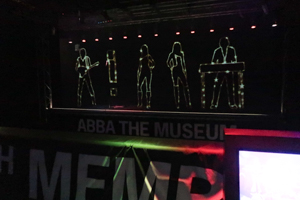
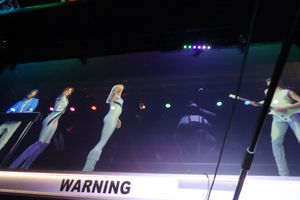
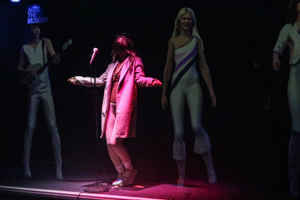
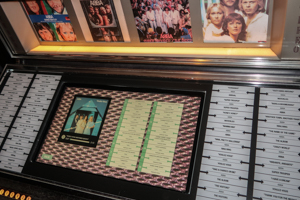
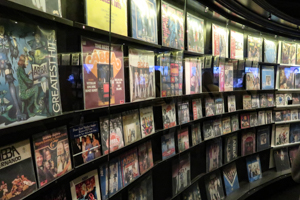
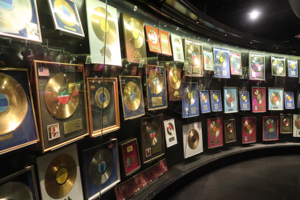
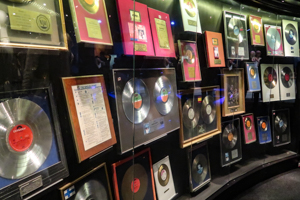
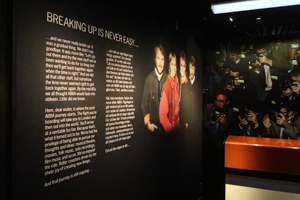
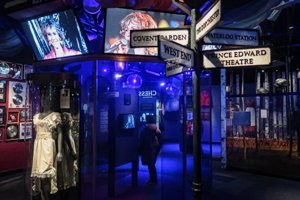
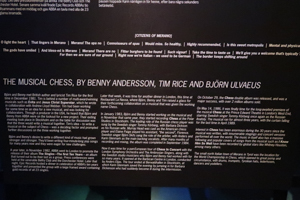
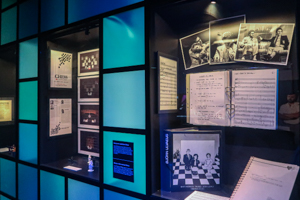
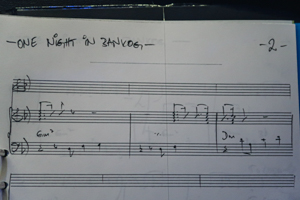
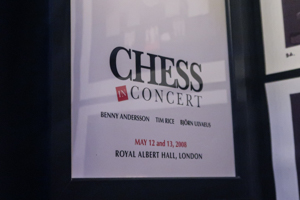
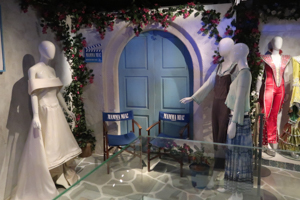
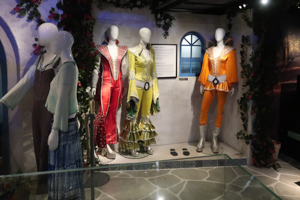
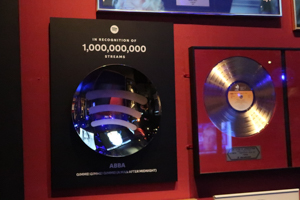
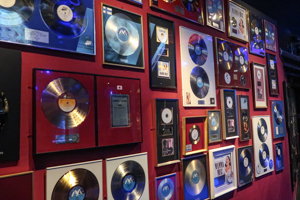
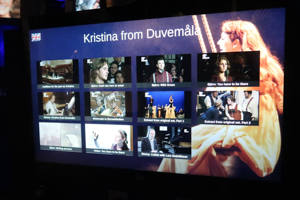
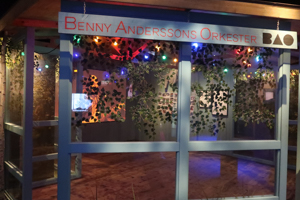
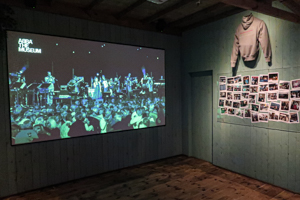
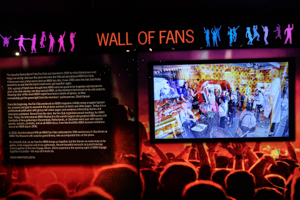
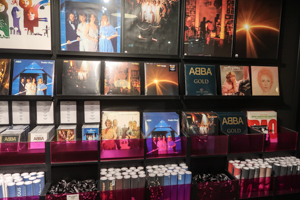
However, the museum is not just about informing people and blasting you with original items. There are also a lot of interactive displays. From mixing songs, karaoke, dancing with holograms or a silent disco, there are numerous ways to get in touch with their music. In later parts, you can check out all their golden and platinum records and their releases or stroll through original stage costumes. The exhibition also tells you personal stories, which finally lead to the break-up of the band. In one of the last parts, you learn about the heritage of the band. This includes the musical, but also the solo works of the band members like Björn’s musical Chess. I spent quite a lot of time in that section. This part also praises the relationship of ABBA and their fans, which are still very active and supportive until today.


ABBA The Museum – Services
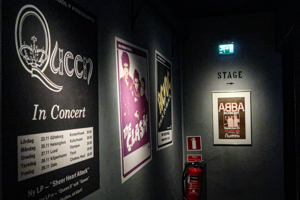
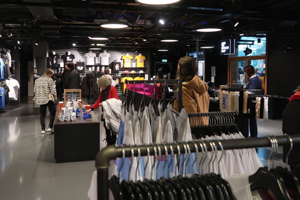
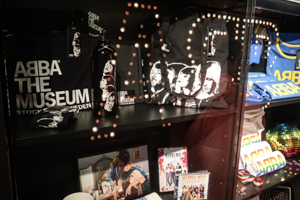
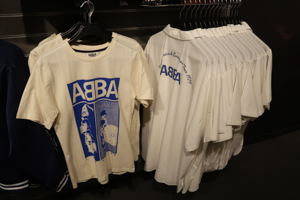
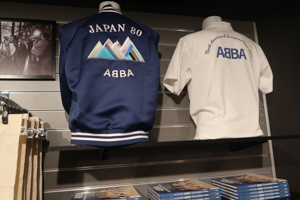
The museum is well structured and organized. Lining up before getting in, first in front of the museum and then before getting into the temporary exhibition is bothering. The museum drives a gift shop, featuring all kinds of merchandise as well as ABBA musical releases. The temporary exhibition space level also features toilets and lockers, which are very handy, especially in colder times, as it allows you to store your backpacks and jackets.
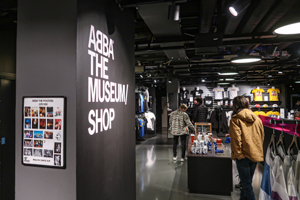
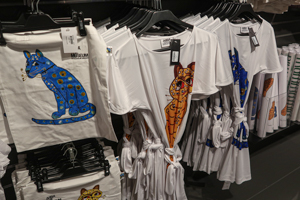
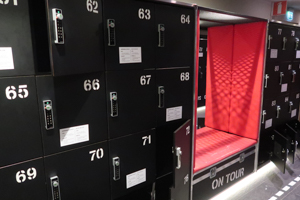
ABBA The Museum – My View
ABBA are a key act of pop music history. The museum and the band set up a great, interactive place to learn about the story. Thereby, the museum is not glorifying the band, it also tells about the darker times. I especially liked the heritage part. The lines, despite having timed tickets, are bothering. Nonetheless, it is a place you definitely should visit when you are in the Swedish capital, despite the rather high ticket price.
Musical History
These are all articles, in which I dealt with events and places influencing musical history:

Haus of Gaga (Las Vegas, Pictured Story)

Avicii Experience (Stockholm)
Kentucky Music Hall of Fame and Museum

Flyctory.com Best Ones 2024
Mythos Mozart (Vienna)
Museum Speelklok (Musical Box Museum) Utrecht

Museum of Broadway
KISS World Las Vegas
Finnish Music Hall of Fame (Musiikkimuseo Fame)

American Jazz Museum (Kansas City)

Musicians Hall of Fame & Museum Nashville

Husavik Eurovision Exhibition
Royal College of Music Museum
National Blues Museum (St. Louis)
RCA Studio B Tour Nashville
Country Music Hall of Fame and Museum (Nashville)

Here It Is: A Tribute to Leonard Cohen (Various Artists)
Gallery of Iconic Guitars at Belmont (Nashville)
Glen Campbell Museum
Willie Nelson and Friends Museum Nashville
National Museum Ras Al Khaimah
Ryman Auditorium Self-Guided Tour
Museum at Bethel Woods – The Original Site of the 1969 Woodstock Festival
Patsy Cline Museum (Nashville)
Johnny Cash Museum (Nashville)
Rokksafn – The Icelandic Rock’n’Roll Museum (Reykjanesbaer)

Scala Museum Milan
Icelandic Punk Museum (Reykjavik)

Museum Luciano Pavarotti House
Munich Olympic Tower and Rockmuseum

rock’n’popmuseum Gronau
Venice Music Museum

The Grammy Museum Los Angeles

Rhythm! Discovery Center Indianapolis

Sun Studio – The Birthplace of Rock’n’Roll

Tina Turner Museum (West Tennessee Delta Heritage Center)
Memphis Rock ‘n’ Soul Museum

Elvis Presley’s Graceland – The Exhibitions

Elvis Presley’s Graceland – The Mansion

Memphis Music Hall of Fame

Elvis Presley Birthplace (Tupelo MS)

Gateway To The Blues (Tunica, MS)

A Musical Trip to CMA Fest 2019 (Day 6 – 5th June 2019)
A Musical Trip to CMA Fest 2019 (Day 5 – 4th June 2019)
A Musical Trip to CMA Fest 2019 (Day 4 – 3rd June 2019)

Bate Collection of Musical Instruments (Oxford)

The Beatles Story – The Fab Four in Liverpool
Travel & Sports Postings About Sweden
Here are all my Travel and Sports postings related to Sweden:
Flying SAS Scandinavian Airlines Airbus A330 Business Class

Food I Had Onboard XXXI (April to June 2026)
Gothenburg Airport (GOT)

Swedish Floorball Finals (Men) – Storvreta IBK – IBF Falun 3-2 (1-0, 1-2, 1-0)

Swedish Floorball Finals (Women) – Thorengruppen IBK – FBC Kalmarsund 4-2 (2-2, 0-0, 2-0)
Katarinahissen (Katarina Elevator) Stockholm (Pictured Story)
The Lounge by Menzies Aviation Gothenburg (GOT)

Food I Had Onboard XXIX (January / February 2026)
The Flyctory.com-Style Medal Count of the 2026 Milan/Cortina Olympics
Avicii Experience (Stockholm)
Pixbo IBK – Warberg IC 4-3 (2-0, 1-1, 1-2)

Hovslätts IK – Visby IBK 4-8 (3-1, 0-3, 1-4)

Pixbo IBK – Storvreta IBK 9-4 (4-2, 1-2, 4-0)
Hilton Stockholm Slussen

Food I Had Onboard XXVII (November 2025)

NHL Global Fan Tour during the NHL Global Series in Stockholm 2025 (Pictured Story)

NHL Global Series 2025 at Avicii Arena Stockholm (Superior Platinum Experience)

Quality Hotel View (Malmö)

American Express Lounge by Pontus Frithiof Stockholm (ARN)

Walking Through Central Malmö (Pictured Story)

Menzies Pearl Lounge Stockholm Airport (ARN) Terminal 5 – C Gates

Food I Had Onboard XXIII (April 2025 – May 2025)
Skyview – On Top of Avicii Arena in Stockholm

Marc-Andre Fleury made me do it – the (weird) Story of a Weekend in May 25
IIHF World Championships 2025 at Avicii Arena Stockholm
The Most Airports by Country I Have Flown To

Swedish Floorball Finals (Men) – Storvreta IBK – IBF Falun 3-2 (0-0, 0-1, 3-1)

Swedish Floorball Finals (Women) – Pixbo IBK – Thorengruppen IBK 5-7 (0-2, 2-4, 3-1)
Moment Hotels Malmö
Flyctory.com Best Ones 2024

Pixbo IBK – IBF Falun 11-0 (0-0, 6-0, 5-0)
Pixbo IBK – IBK Dalen 9-6 (2-0, 3-2, 4-4)

Clarion Hotel Arlanda Airport
![Hall of Fame Open 2024 - MD R1: A. Goransson (SWE) / S. Verbeek (NED) - J. Paris (GBR) / R. Ramanathan (IND) 6-3 4-6 1-x [10-8]](https://flyctory.com/wp-content/uploads/2024/07/20240717_HoFOpen_GoransVerbeekParisRaman_BANNER-150x150.jpg)
Hall of Fame Open 2024 – MD R1: A. Goransson (SWE) / S. Verbeek (NED) – J. Paris (GBR) / R. Ramanathan (IND) 6-3 4-6 1-x [10-8]

Food I Had Onboard XVI (mid-April to mid-May 2024)

WFC 3×3 Floorball 2024 – Day 2 Men’s Finals (12th May 2024)

WFC 3×3 Floorball 2024 – Day 2 Women’s Finals (12th May 2024)

WFC 3×3 Floorball 2024 – Day 1 Men’s Competition (11th May 2024)
WFC 3×3 Floorball 2024 – Day 1 Women’s Competition (11th May 2024)

WFC U19 Girls 2024 Semifinal: Sweden – Switzerland 4-3 (1-1, 2-0, 1-2)

WFC U19 Girls 2024: Sweden – Finland 9-3 (4-1, 3-0, 2-2)
WFC U19 Girls 2024: Norway – Sweden 1-16 (0-7, 1-5, 0-4)

Swedish Floorball Finals (Men) – Storvreta IBK – Pixbo IBK 8-5 (3-1, 1-1, 4-3)

Swedish Floorball Finals (Women) – Thorengruppen IBK – Pixbo IBK 6-3 (2-0, 0-1, 4-2)

Riding the Öresundstag (Öresund Train)

First Hotel G Gothenburg

Sparkassen Indoor Meeting Dortmund 2024 (Indoor Athletics) – Track Events

Pixbo Wallenstam IBK – Malmö FBC 8-2 (2-0, 4-2, 2-0)

Comfort Hotel Malmö

Weird Al Yankovic is touring Europe 2023 – Tour Dates and Travel Hints

The Cockpit Suite at Jumbo Stay Stockholm
Menzies Norrsken Lounge Stockholm-Arlanda (ARN) T5

My Top 15 Airports Flown – With Some Brief Thoughts
Expo 2020 Dubai – The Sustainability District Pavilions
SAS Lounge Stockholm Arlanda (Terminal 5)
Stockholm Police Museum

Stockholm Arlanda Aurora Lounge (Terminal 2)

Riding the Arlanda Express
Stockholm Gaming Museum
Scandic Hotel Gävle Väst

Täby FC – Pixbo Wallenstam IBK 7-0 (3-0, 2-0, 2-0)

FBI Tullinge – Hagunda IF 4-5 SD (0-1, 1-2, 3-1, 0-1)
CC 2019: Men’s Final: Storvreta IBK – SC Classic 3-10 (1-3, 1-3, 1-4)

CC 2019: Women’s Final: Vitkovice – IKSU 3-8 (1-2, 2-4, 0-2)

CC 2019: Men’s Place 3: Florbal Mlada Bolesav – Floorball Köniz 2-9 (1-4, 1-3, 0-2)

CC 2019: Storvreta IBK – Florbal Mlada Bolesav 10-5 (2-0, 3-3, 5-2)
CC 2019: Women’s Place 3: SB-Pro Nurmijärvi – Piranha Chur 5-3 (2-1, 0-1, 3-1)

CC 2019: IKSU – Piranha Chur 11-5 (6-1, 1-1, 4-3)
CC 2019: SB-Pro Nurmijärvi – 1. SC TEMPISH Vitkovice 4-5 SD (2-0, 1-4, 1-0, 0-1)

CC 2019: SC Classic – Floorball Köniz 7-1 (3-0, 1-1, 3-0)

Floorball Champions Cup 2019 – A Preview to Gävle

Women WFC 2017 Finals: Sweden – Finland 6:5 SO