 by
by Schengen Museum
5 EUR
Flyctory.com Pros
- Modern presentation
- Very emotional and touching visit
Flyctory.com Cons
- Limited exhibition
- I feel it should be free admission
When I visited the Women Handball World Championships 2025 in Trier, my hotel was in Luxembourg. Almost every day, I crossed the German-Luxembourg border at least two times a day. The delay at border control? Zero! A sign is telling you that you are in another country. This all all based on the first of three Schengen Agreements. That contract has been signed by host Luxembourg, Germany, France, Belgium, and the Netherlands in the small town of Schengen. The Schengen Museum or Europa Museum Schengen is reminding of the agreement and its impacts. The long-time bucket list place felt like a must-visit to me. Here is my review.


Schengen Museum – Location & Admission
Schengen is a commune in the very Southeast of Luxembourg. The village as well as the museum is located right at the bridge to Perl in Germany and Apach in France, which are both just a few hundred meters away. The Prinzessin Marie-Astrid Europa ship, where the contract has originally been signed, is located North of that bridge. You can easily go there by car. However, the regional trains from Trier to Metz stop at Apach and Perl as well. If you go for that option, you do already have the Schengen feeling – by simply cross the bridge from Germany to neighboring grand duchy.
The museum is opening daily (apart from some exceptions, including the time between Christmas and New Year’s Day) from 10:00 to 18:00. Adult admission is 5 Euro, which includes the museum as well as the vessel. There is sufficient free parking in the area. In front of the museum, there are also two parts of the Berlin wall as well signs with other key European treaties.


Schengen Museum – The Museum
You typically start your visit at the museum. This is also the only place where you can buy tickets for the museum, they are also required for visiting the ship later. You receive a card which you can later individualize with your name and your country of origin. You can also choose in which language the displays will appear (German, English and French is available). This is somehow nice. However, there felt to have been the idea of “checking out” at the end with some sort of result or certificate of your visit. This was not working during my visit in November 2025.


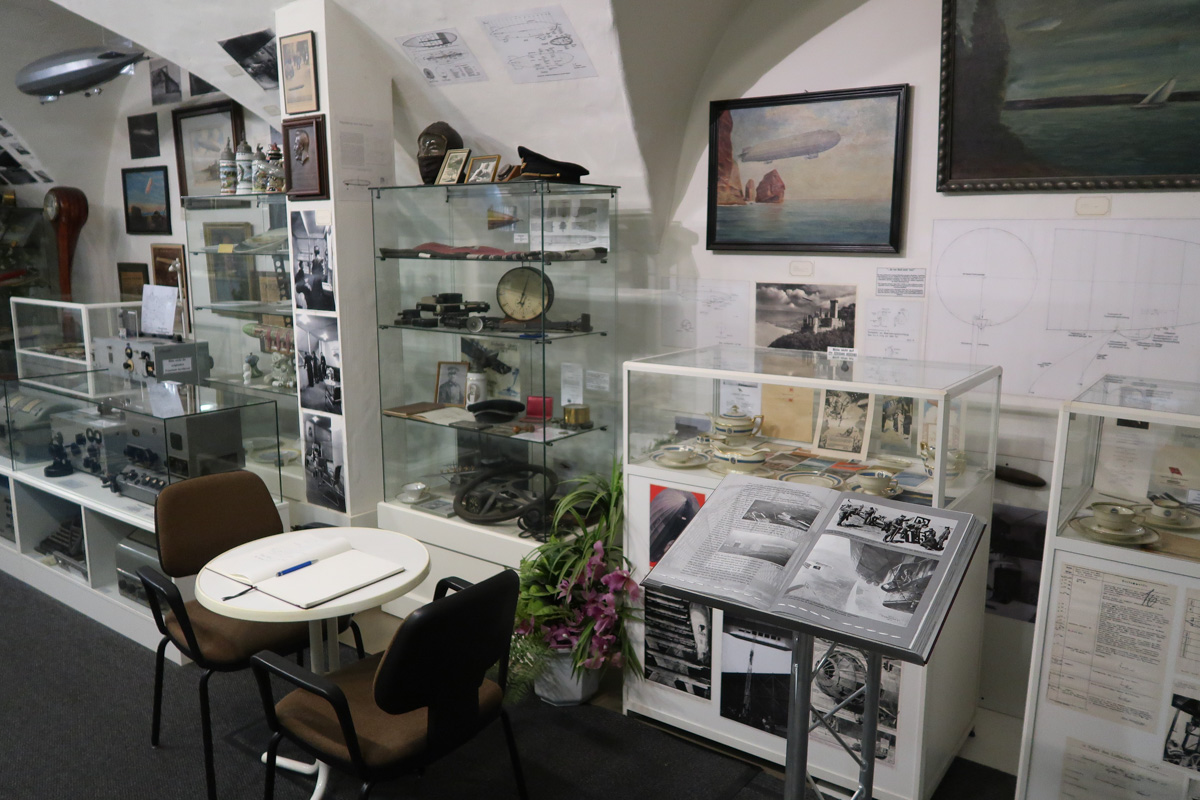
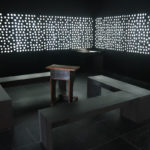
The museum itself feels very nice and modern. There are a lot of screens, which you can activate with your card. There are also some games. Some are rather knowledge based like finding the right customs officer cap for a certain passport. Others like labyrinths about what is necessary to get a Schengen visa are more towards gamification. There is also a small room in the center of the small museum, which shows testimonials of different people living in Schengen countries. The museum does also have a certain focus about negative impacts of the agreement. For example, you learn about a major of a Spanish city at the French border, which economically depended on the customs operations driven in his town, The town struggled wsth that for decades.


Schengen Museum – Memorial Park & Prinzessin Marie-Astrid Europa Ship
Included in your visit is the museum ship Prinzessin Marie-Astrid Europa. It is the second generation of the vessel, on which the agreement has originally been signed. The boat is fully renovated and nowadays runs electric instead of on diesel. However, it is just cruising for special occasions, the fifth generation vessel is doing the Moselle River nowadays. There are catering facilities on board, which are not used when the Prinzessin Marie-Astrid Europa is in museum duties, though. In front of the museum, there is a memorial park reminding of the historic event which took place there.


Visiting the ship is more an emotional than an educational event. The lower level hosts a video about the restoration of the vessel and a photo gallery of scenes from the Moselle River. The agreement has been signed on the upper deck, which can be visited and hosts some exhibition. By the way: like in the museum, the Schengen Agreement displayed is not the original, but a replica.


Schengen Museum – Services
The staff in the museum is multi-lingual and very friendly. At the museum reception, there is also a small gift shop. Surprisingly, there are a lot of souvenirs about the city of Schengen, Luxembourg and local produces like the regional wine. The souvenirs regarding European history are limited. There is a bathroom in the museum, but I could not spot one on the ship. However, you may also use one of the public toilets around.


Schengen Museum – My View
I love the idea of Europe working as a community and I enjoy border control-free traveling. Thus, the Schengen Museum has been a very emotional visit to me. You unfortunately cannot deny that the museum is rather small and the exhibitions on the museum ship are limited. Nonetheless, the presentation is modern and interactive. This place is such an essential part of European history, I feel that the European Union should drive it and allow people to visit it for free, though.
Luxembourg at Flyctory.com
Here are all my postings related to Luxembourg:

Hotel Simon’s Plaza (Grevenmacher)

Flyctory.com Songs Of The Week (week of 13th March 2026)

Josh Island – Imaginary Borders

Flyctory.com Songs Of The Week (week of 23rd January 2026)

Food I Had Onboard XXVII (November 2025)

Flyctory.com Songs Of The Week (week of 3rd October 2025)

Flyctory.com Songs Of The Week (week of 1st August 2025)

Echternach Villa Romana / Roman Villa

Florence Besch – Gathering Hearts

Sun Smash Palace – Got A Long Time

Grevenmacher Butterfly Garden

Flyctory.com Songs Of The Week (week of 16th February 2024)
Henri Tudor Museum (Rosport, Luxembourg)

Praise The Underdogs – I Look Back to the European Soccer Competition Qualifications

ISTAF Indoor Duesseldorf (29th January 2023)

Flyctory.com Songs Of The Week (week of 11 November 2022)

Wooden Empire – Ghosts

Luxembourg Airport (LUX)

Weird Al & Grass Court Tennis 2019 (Day 5/6 – 21st/22nd July 2019)
ibis Luxembourg Airport

Weird Al & Grass Court Tennis 2019 (Day 1 – 17th July 2019)
Nazi Germany Memorials
Here are all places memorizing about the cruelties during the German Nazi leadership:

Bergen Belsen Concentration Camp Memorial

Museum of Jewish Heritage

Esterwegen Concentration Camp Memorial

Flyctory.com Best Ones 2021
Extermination Camp Auschwitz-Birkenau

Auschwitz Concentration Camp

Dutch Freedom Museum (Groesbeek)

The Myth of Germania – A Berlin Underground Exhibition

National Monument Camp Vught
Resistance Museum Amsterdam

Nuremberg Documentation Center Nazi Party Rally Grounds

Munich White Rose / Weiße Rose Memorial Exhibition
Obersalzberg Documentation Center

Memorium Nuremberg Trials

Dachau Concentration Camp Memorial
Hartheim Castle Memorial – Place of 30,000 Murders

Braunau – A Small Austrian Town with a Tough Heritage
Kragujevac 21st October Museum